
Water Restoration Toronto Areas We Serve
Water restoration Toronto covers every part of the city, from the lakefront condos to the ravine streets of the east end.
Fully licensed and insured
Open 24 hours, 7 days
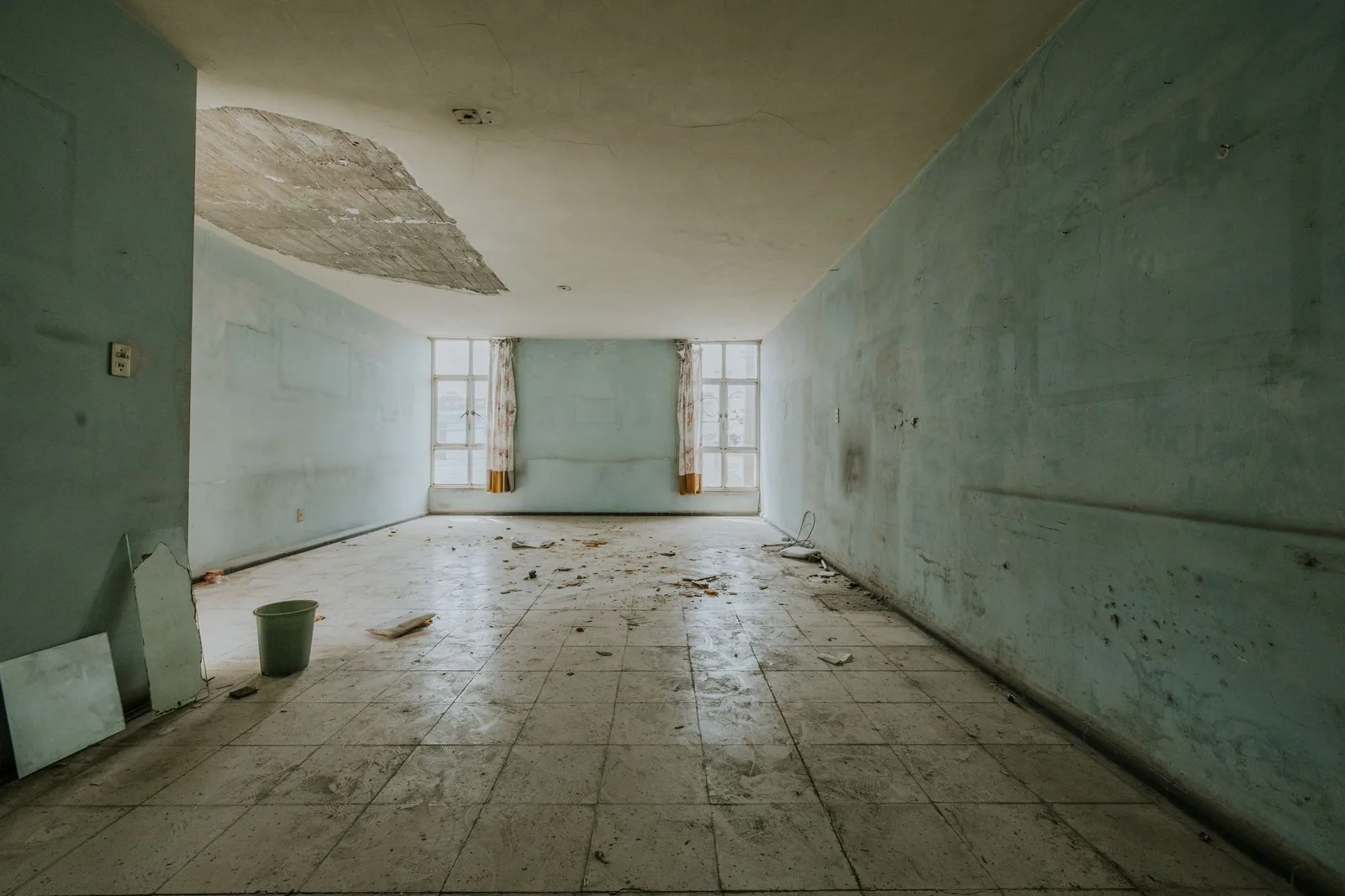
Toronto neighbourhoods we work in
We serve homes, condos and businesses across the city of Toronto. Here are the types of housing we see most and why water behaves differently in each.
Why neighbourhood matters
The age of a house and the ground it sits on determine how water enters and how it dries. Homes near ravines in the Don Valley, along the Humber and on the former creek beds of the older city see different problems than newer condo towers on the waterfront. We ask the street and the building type on the first call because it helps us bring the right equipment.
Older central neighbourhoods
- The Annex and Seaton Village: brick semis with stone foundations and old plaster walls
- Cabbagetown and Riverdale: Victorian rows where basements were dug out later
- Leslieville and The Beaches: narrow lots and basement apartments
- Parkdale and Roncesvalles: tall older homes with converted units
- Junction and High Park: mixed older housing close to ravines
East, north and west Toronto
- East York and Leaside: postwar homes on basements that were finished decades ago
- The Danforth and Little Italy: busy commercial strips with apartments above
- Willowdale and Don Mills: bungalows and mid-rise buildings
- Weston and Mount Dennis: older housing near the Humber
- Liberty Village and CityPlace: condo towers where water travels between floors
Beyond the city limits
The same crew also works in Etobicoke, Scarborough, North York and Mississauga. See the contact page for how to reach us.
How we plan a visit across the city
Toronto is large, and traffic, parking and building access shape every attendance. When you call, give us the nearest intersection and tell us whether the property is a house, a row house, a condominium or a commercial unit. In older central streets we ask about laneway access and parking permits. In towers and mid-rise buildings, we ask for the property manager's number so that loading docks and elevators can be arranged before the crew arrives.
Each of these details feeds the equipment list. A narrow basement stair means smaller extraction gear; a long hallway run means more air movers; a shared stack means we phone the board before opening a wall.
Nearby cities and districts
Water damage restoration Mississauga
Houses, townhomes and condos across Mississauga.
Learn moreWater damage Etobicoke
Creek-side streets and postwar bungalows in the west end.
Learn moreWater damage Scarborough
Ravine and bluff-side homes in the east end.
Learn moreWater damage Markham
Newer subdivisions, Unionville and Thornhill.
Learn moreWater damage Vaughan
Woodbridge, Maple, Thornhill and Kleinburg.
Learn moreWater damage North York
Bungalows, towers and ravine streets.
Learn moreWater restoration company Toronto
How we work and what to ask any company.
Learn moreRequest a quote
Tell us what you need and we will get back to you. In a hurry? Calling is fastest.